Football Rebound Boards That Transform Academy Training
Share
Football rebound boards are no longer a novelty—they’re becoming fundamental to how youth academies and coaches shape technical footballers. In this article, we explore how rebound boards elevate modern football training, especially within academies focused on player development from grassroots through to elite level.
You’ll discover:
What makes today’s rebound boards so versatile and essential
The real benefits for passing, touch, ball mastery and goalkeeper training
How the right rebounder supports both solo training and structured academy drills
Smart product options—from multi-skill designs to portable, adjustable rebounders
How you can integrate them with other training equipment for even more dynamic sessions
We’ll also touch on training-specific terminology and specifications that help you choose the most suitable board for your needs.
The Evolution of Rebound Boards in Football Academies
Long gone are the clunky, rigid panels of the past. Today’s football rebounders are built for purpose, precision and progression. A quality football rebound training board now goes beyond simply bouncing the ball back—it simulates game-realistic movement and challenges a player’s technique under pressure.
“Rebound boards are no longer just ‘extras’ in training—they’re core to how academies structure technical progression drills.”
Whether you’re running a youth club or training individually in the garden, the right football rebound board becomes a reliable, consistent tool for refining your game.
What Makes a Rebound Board Academy-Ready?
When coaches look for academy training equipment, they’re after three things:
Durability & Functionality
Look for rebounders constructed from impact-resistant HDPE material
These are designed to handle repeated use in all weather conditions
Adjustability for Versatility
An adjustable angle rebounder allows for a wider variety of drills: volleys, passes, and high returns for headers
Portability
For both indoor and outdoor sessions, a foldaway / portable rebounder gives flexibility, especially in space-limited academies
You’ll find these qualities in the Football Mastery Rebound Board, crafted to support consistent training standards across all age groups.
Skill-Focused Training with Rebounders
The best football training aids aren’t flashy—they’re effective. The key benefit of rebound boards is how they support skill intensification drills. Consider how much repetition is needed for a player to truly master:
Passing drills under pressure
Ball control practice with varying pace returns
Reaction / reflex training for speed and sharpness
First-touch improvement across multiple surfaces
Volley practice and tight-space combinations
Players working with a rebounder experience a predictable rebound surface but one that can quickly be tweaked for variable rebound angle, making every drill game-relevant. The Rebound Boards Collection at Football Mastery offers both static and dynamic setups for such adaptability.
Solo vs Group Sessions: A Coach’s View
One of the major challenges in academy training is individual player attention. This is where solo football practice tools like rebound boards shine. While coaches manage larger groups, players can develop individual technical elements without waiting in line.
Yet, group practice sessions benefit too—setting up interactive rebound boards for rondos, reaction drills, or transitions helps create fluid, engaging training environments.
For example, integrating boards into a small-sided game encourages:
Real-time precision passing
Encouragement of touch and control enhancement
Developing dynamic footwork drills
Training resources like the Football Mastery Bundles are curated to support both styles—solo progression and team-wide development—without compromising quality.
Advancing Technical Skill with Specialist Rebounders
For academies looking to offer more than the basics, rebound boards now come in sophisticated designs that allow for layered skill development. Boards such as multi-skill rebound boards and 4‑in‑1 rebound boards are crafted for progression—they provide multiple surfaces or angles to simulate match conditions.
Take, for instance, a dual-angle rebound board. This piece of kit is invaluable for transitioning between low-driven passes and lofted returns without switching equipment. The ability to modify the rebound trajectory enhances the development of:
Ball mastery training
Technical skill development
Interactive reaction training
What separates great from good in this space is the detail in design—boards that maintain a consistent rebound performance yet allow for variability through angle or surface changes. This helps players adapt their touch, awareness, and decision-making with every return.
“Smart rebounders replicate match chaos—not just mechanics.”
Rebound Boards in Goalkeeper Development
Often overlooked in discussions around rebound boards is the goalkeeper. But for modern keepers, these tools are as transformative as they are for outfield players. A quality rebounder becomes a goalkeeper reaction partner, helping simulate deflections, low saves, and unpredictable shot returns.
Key goalkeeper-specific drills supported by rebound boards include:
Keeper hand‑eye coordination drills
Goalkeeper training rebound aids for one-on-one scenarios
High-intensity reflex training with close-range returns
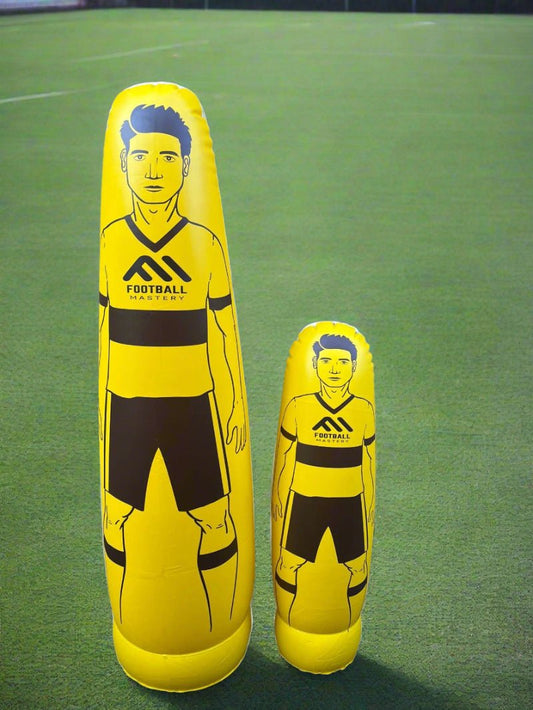
With the right layout, boards can be used to create chaos in front of goal—something keepers thrive on when trained properly. To support this, integrating boards alongside Air Mannequins replicates realistic match obstacles for keepers and outfield players alike.
Making the Most of Your Training Space
Whether you train at a top-tier academy or on a modest community pitch, space efficiency matters. That’s where portable training equipment becomes essential.
Football Mastery’s boards are built to fold and move with ease—ideal for:
Individual practice gear at home
Team training equipment on the move
Efficient use in rotating drill stations
A foldable / collapsible design not only protects the rebounder in storage, but ensures players can manage setup independently—vital for fostering ownership in young athletes.
“Equipment that empowers players creates better learners.”
You can explore more versatile options and smart equipment layout ideas in our dedicated Football Mastery Bundles, where rebound boards integrate with cones, mannequins, and markers.
When Precision Meets Progression
A key feature that defines elite-level training gear is training progression tools—equipment that adapts as the player improves. A beginner may start with flat-surface returns; a more advanced player may use rebound boards with reaction lights to engage cognitive speed and pressure control.
To level-up:
Use rebound boards in combination with triggers or partner calls
Simulate unpredictable ball return using angled deflections
Integrate precision and speed drills over time
For coaches building long-term development pathways, having equipment that grows with the player is not a luxury—it’s a necessity.
Real-World Application: Rebound Boards in Academy Settings
The theory is strong—but how do football rebound boards truly perform within real academy environments?
Across youth systems, from grassroots to elite, these boards are now embedded into the technical curriculum. Coaches use them not just for drills but as diagnostic tools. By monitoring how a player interacts with a rebound—speed, control, adaptability—they can quickly spot areas for improvement.
Common academy setups involve:
Rotating technical stations where players transition between rebounders, cones, mannequins, and goals
Warm-up routines using interactive rebound boards to sharpen reaction time and first-touch under light pressure
1v1 duel zones with angled rebounders that bounce back into tight control areas, encouraging quick decision-making
One academy coach remarked:
“We see players become more self-reliant with rebound boards. They work things out faster, problem-solve on the pitch, and develop spatial awareness that even small-sided games don’t always deliver.”
And it's not just players improving—coaches can reduce downtime and increase ball contact time dramatically, making sessions more efficient and rewarding.
Choosing the Right Rebound Board for Your Players
With the wide range of rebounders available, the key to choosing the right board lies in understanding the purpose, context, and developmental stage of your players.
Here’s a brief guide:
Player Profile
Recommended Feature
Why It Works
U9–U12 Beginners
Flat, stable surface
Builds confidence with predictable rebound surface
U13–U15 Progressing
Adjustable angle rebounder
Introduces variable rebound angle and speed control
U16–Academy Level
Multi-skill or dual‑angle boards
Ideal for touch and control enhancement under pressure
Goalkeepers (all ages)
Compact angled rebounder
Provides keeper hand‑eye coordination drills and reflex saves
Coaches & Clubs
Foldable, portable design
Flexibility for group practice sessions or small spaces
The Football Mastery Rebound Board fits within these tiers by combining portability, strength, and a carefully engineered rebounding surface that suits every level of ability.
Integrating Rebound Boards with Other Training Equipment
The effectiveness of rebound boards increases exponentially when they’re combined with other tools. To create a complete academy-style session, consider integrating:
Air mannequins as static defenders or visual obstructions
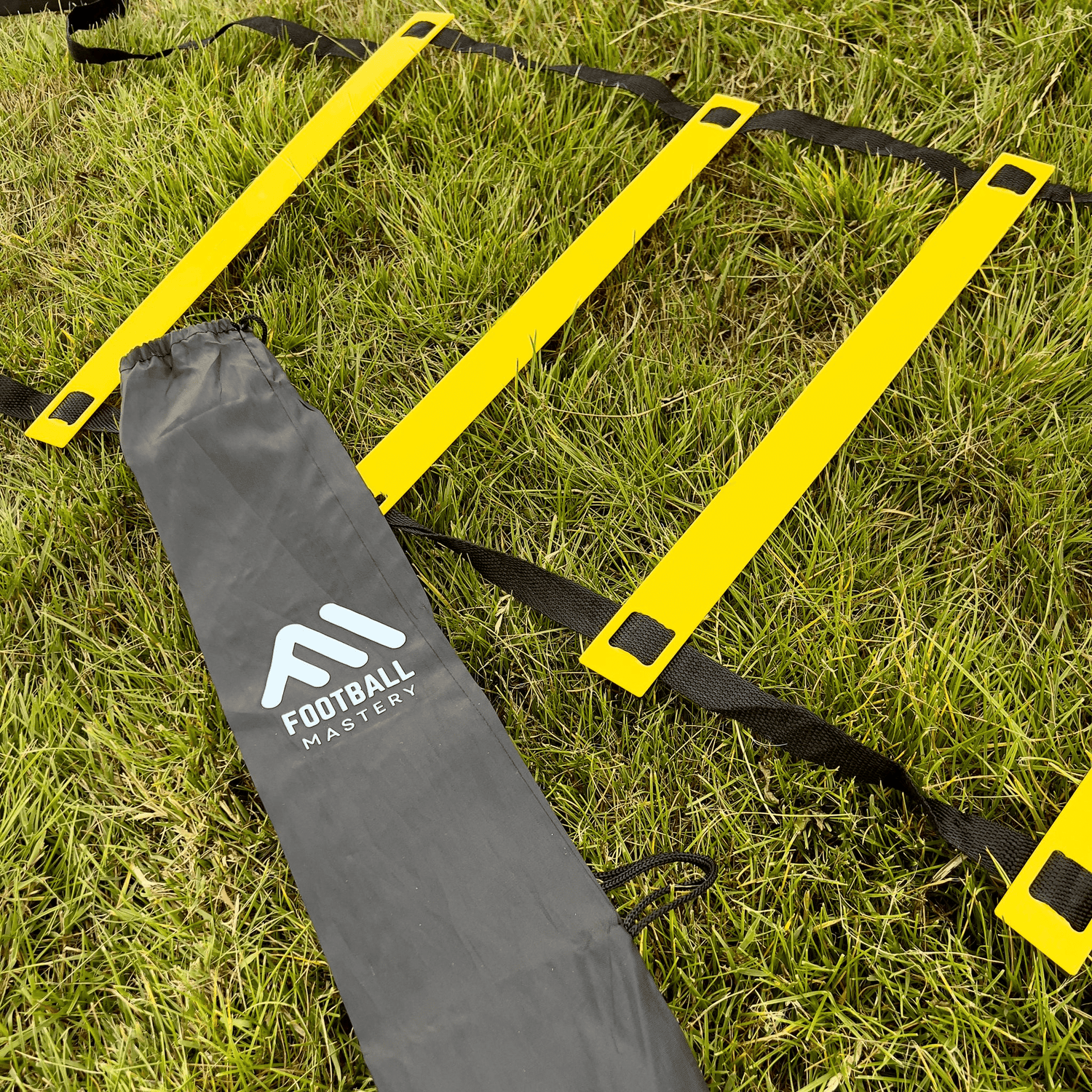
Cones and markers to develop agility and direction change
Goals or mini-targets to reward accurate precision passing
Timed drills to incorporate interactive reaction training
Football Mastery’s bundles provide these elements pre-packaged, making session design easier for coaches and parents alike. You can view the complete Rebound Boards Collection for more options that pair well with your current equipment.
The Final Touch: Why It Matters
Ultimately, a rebound board isn’t just a panel that sends the ball back—it’s a bridge between repetition and intelligence. It supports the kind of technical skill development and training progression tools that players need to thrive in today’s fast, pressure-heavy game.
From boosting first-touch improvement and agility training to enabling solo football practice tool work during off-season periods, the right rebound board can be the difference between stagnation and sharp progression.
Whether you’re a coach designing better sessions or a parent investing in a young player’s development, football rebound boards that transform academy training are no longer a luxury—they’re part of the modern training toolkit.
To get started with the best rebound boards on the market, visit Football Mastery and explore how our purpose-built gear helps take footballers to the next level.
Frequently Asked Questions
1. What exactly is a football rebound board and how does it differ from other rebounders?
A football rebound board is a solid training panel designed to return the ball predictably after a player kicks it. Unlike netted rebounders that produce varied or softer returns, boards give a firmer, more accurate bounce, ideal for close‑range technical drills such as passing and first touch.
2. Can rebound boards be used by players of all ages and skill levels?
Yes. Rebound boards are suitable for beginners, academy players and advanced players alike. Their effectiveness comes from adjustable features and how coaches design drills, meaning players can build foundational skills as they progress.
3. Do rebound boards only improve technical skills?
No. While they are excellent for ball control and passing accuracy, rebound boards also help enhance reaction time, agility and decision‑making, especially when combined with varied training patterns.
4. Are rebound boards only useful for solo training?
Not at all. Rebound boards serve both solo and group sessions. In team contexts, they can be integrated into small‑group drills or rotation stations, helping players compete for quick touches and sharp passing sequences.
5. Can goalkeepers benefit from using a rebound board?
Yes. Boards can be used for goalkeeper-specific drills, improving reflexes, hand‑eye coordination and reaction speed—by creating varied returns that challenge their handling and shot‑stopping skills.
6. What types of drills are best performed with a rebound board?
Common drills include passing and return sequences, first touch repetition, close‑control patterns, volleys and aerial returns, and reaction‑based decision work that require players to anticipate the ball’s flight and adjust instantly.
7. How long does it take to see improvement using a rebound board?
Improvement varies by player, but consistent weekly use accelerates muscle memory, ball control and decision response. Some players report noticeable gains in touch and passing accuracy within a few weeks of structured rebound training.
8. Are rebound boards weatherproof and suitable for outdoor use?
Most quality boards are made with impact‑resistant materials that withstand outdoor conditions. Weatherproof construction ensures they remain reliable for frequent practice, whether on grass, turf or hard surfaces.
9. Can rebound boards replace training with teammates or formal coaching?
Rebound boards are excellent supplements to team and coached sessions, but they are not a complete replacement for interpersonal drills and tactical coaching. They work best as part of a holistic training plan.
10. How do rebound boards compare to traditional wall training?
Unlike a fixed wall, a rebound board is designed to offer a consistent, controlled surface and often adjustable angles that promote more precise drill work. Walls can be unpredictable and lack this versatility, making boards more effective for focused skill development.
{
"@context": "https://schema.org",
"@type": "FAQPage",
"mainEntity": [
{
"@type": "Question",
"name": "What exactly is a football rebound board and how does it differ from other rebounders?",
"acceptedAnswer": {
"@type": "Answer",
"text": "A football rebound board is a solid training panel designed to return the ball predictably after a player kicks it. Unlike netted rebounders that produce varied or softer returns, boards give a firmer, more accurate bounce, ideal for close-range technical drills such as passing and first touch."
}
},
{
"@type": "Question",
"name": "Can rebound boards be used by players of all ages and skill levels?",
"acceptedAnswer": {
"@type": "Answer",
"text": "Yes. Rebound boards are suitable for beginners, academy players and advanced players alike. Their effectiveness comes from adjustable features and how coaches design drills, meaning players can build foundational skills as they progress."
}
},
{
"@type": "Question",
"name": "Do rebound boards only improve technical skills?",
"acceptedAnswer": {
"@type": "Answer",
"text": "No. While they are excellent for ball control and passing accuracy, rebound boards also help enhance reaction time, agility and decision-making, especially when combined with varied training patterns."
}
},
{
"@type": "Question",
"name": "Are rebound boards only useful for solo training?",
"acceptedAnswer": {
"@type": "Answer",
"text": "Not at all. Rebound boards serve both solo and group sessions. In team contexts, they can be integrated into small-group drills or rotation stations, helping players compete for quick touches and sharp passing sequences."
}
},
{
"@type": "Question",
"name": "Can goalkeepers benefit from using a rebound board?",
"acceptedAnswer": {
"@type": "Answer",
"text": "Yes. Boards can be used for goalkeeper-specific drills, improving reflexes, hand-eye coordination and reaction speed—by creating varied returns that challenge their handling and shot-stopping skills."
}
},
{
"@type": "Question",
"name": "What types of drills are best performed with a rebound board?",
"acceptedAnswer": {
"@type": "Answer",
"text": "Common drills include passing and return sequences, first touch repetition, close-control patterns, volleys and aerial returns, and reaction-based decision work that require players to anticipate the ball’s flight and adjust instantly."
}
},
{
"@type": "Question",
"name": "How long does it take to see improvement using a rebound board?",
"acceptedAnswer": {
"@type": "Answer",
"text": "Improvement varies by player, but consistent weekly use accelerates muscle memory, ball control and decision response. Some players report noticeable gains in touch and passing accuracy within a few weeks of structured rebound training."
}
},
{
"@type": "Question",
"name": "Are rebound boards weatherproof and suitable for outdoor use?",
"acceptedAnswer": {
"@type": "Answer",
"text": "Most quality boards are made with impact-resistant materials that withstand outdoor conditions. Weatherproof construction ensures they remain reliable for frequent practice, whether on grass, turf or hard surfaces."
}
},
{
"@type": "Question",
"name": "Can rebound boards replace training with teammates or formal coaching?",
"acceptedAnswer": {
"@type": "Answer",
"text": "Rebound boards are excellent supplements to team and coached sessions, but they are not a complete replacement for interpersonal drills and tactical coaching. They work best as part of a holistic training plan."
}
},
{
"@type": "Question",
"name": "How do rebound boards compare to traditional wall training?",
"acceptedAnswer": {
"@type": "Answer",
"text": "Unlike a fixed wall, a rebound board is designed to offer a consistent, controlled surface and often adjustable angles that promote more precise drill work. Walls can be unpredictable and lack this versatility, making boards more effective for focused skill development."
}
}
]
}



 @footballmasteryfm