

Maintenance Tips to Extend the Life of Football Rebound Boards
Share
Looking after your rebound board properly isn’t just about cleanliness—it’s about preserving performance, consistency, and value. Regular cleaning, correct storage, and routine inspections can dramatically extend the lifespan of rebound boards while maintaining rebound accuracy. By following a structured approach—cleaning after use, protecting against weather, checking for wear, and using the equipment correctly—you can prevent damage, reduce long-term costs, and ensure reliable training sessions every time.
Why Maintenance Matters More Than You Think
A high-quality rebound board is one of the most valuable tools in modern football training. Whether you're working on first touch, passing accuracy, or reaction speed, consistency is everything. But without proper football rebound board maintenance, even the best equipment will degrade faster than expected.
The truth is simple:
Neglect leads to performance loss. Maintenance preserves precision.
When a rebound surface begins to wear or the frame loosens, you’ll notice subtle but important changes:
- Inconsistent ball return angles
- Reduced rebound speed
- Surface degradation affecting touch
- Structural instability over time
This is why adopting a proactive sports rebound board upkeep routine is essential—not just for durability, but for maintaining training quality.
If you’re using a premium option like the Football Mastery Rebound Board, proper care ensures you continue to get elite-level performance session after session.
The Foundations of a Strong Rebound Board Care Routine
Before diving into detailed steps, it’s important to understand what effective football training equipment maintenance actually looks like.
At its core, it revolves around three principles:
- Clean consistently
- Protect from environmental damage
- Inspect and act early
These aren’t complicated—but they are often overlooked.
“Most equipment doesn’t fail suddenly—it deteriorates gradually due to neglect.”
By building these habits into your routine, you not only extend the lifespan of rebound boards, but also maintain rebound consistency and performance accuracy over time.
Cleaning Your Rebound Board the Right Way
Cleaning is the most basic yet most ignored aspect of soccer rebounder maintenance. Dirt, moisture, and debris are silent contributors to long-term damage.
Why Cleaning Matters
A dirty board doesn’t just look bad—it can:
- Cause uneven ball rebounds
- Increase surface wear
- Trap moisture, leading to corrosion
- Reduce overall durability
Step-by-Step Cleaning Process
Here’s the best way to clean a soccer rebounder effectively:
1. Remove Dirt and Debris Immediately
After each session:
- Brush off mud, grass, and loose particles
- Pay attention to edges and joints
This prevents buildup that can damage the rebound surface.
2. Wipe Down Surfaces
Use a soft cloth to:
- Wipe down surfaces thoroughly
- Clean the rebound board surface evenly
This helps maintain smooth ball contact and rebound accuracy.
3. Use Mild Detergent Cleaning
For deeper cleans:
- Mix mild detergent with warm water
- Avoid harsh chemicals that can degrade materials
This is especially important for polyethylene rebound board care, where chemical exposure can weaken the surface.
4. Dry Equipment After Use
Never leave your board wet.
- Always dry equipment after use
- Focus on joints and metal components
This is critical for moisture protection and preventing long-term damage.
Cleaning Checklist (Quick Reference)
- Clean sports equipment regularly
- Remove mud from rebounder immediately
- Use mild detergent cleaning only
- Dry equipment after use
- Prevent surface wear on rebound board
Preventing Rust, Corrosion, and Surface Damage
Even the most durable boards can suffer if exposed to the elements without protection. One of the biggest threats is weather-related damage.
Key Risks to Watch For
- Moisture causing rust on metal frames
- UV exposure leading to surface fading and weakening
- Dirt abrasion causing micro-damage
How to Protect Your Equipment
Moisture Protection
- Avoid leaving your board on wet grass overnight
- Store in dry conditions whenever possible
- Focus on metal frame rust prevention
UV Protection for Sports Equipment
Constant sun exposure can weaken materials over time.
- Limit prolonged exposure to direct sunlight
- Rotate usage areas if possible
- Consider shaded training setups
Weather Damage Prevention
Rain, frost, and extreme temperatures all contribute to wear.
- Bring equipment indoors during bad weather
- Avoid use during extreme conditions
Consistent exposure to the elements is one of the fastest ways to reduce equipment lifespan.
Choosing the Right Training Setup to Reduce Wear
Maintenance isn’t just about what you do after training—it starts with how you use your equipment.
Proper Equipment Usage Principles
To prevent premature damage, always follow:
- Correct rebound board setup
- Use rebound board on stable surface
- Avoid excessive force on rebound board
- Follow manufacturer guidelines
An unstable surface—like uneven grass or hard gravel—can stress the frame and reduce structural integrity over time.
Smart Training Environment Tips
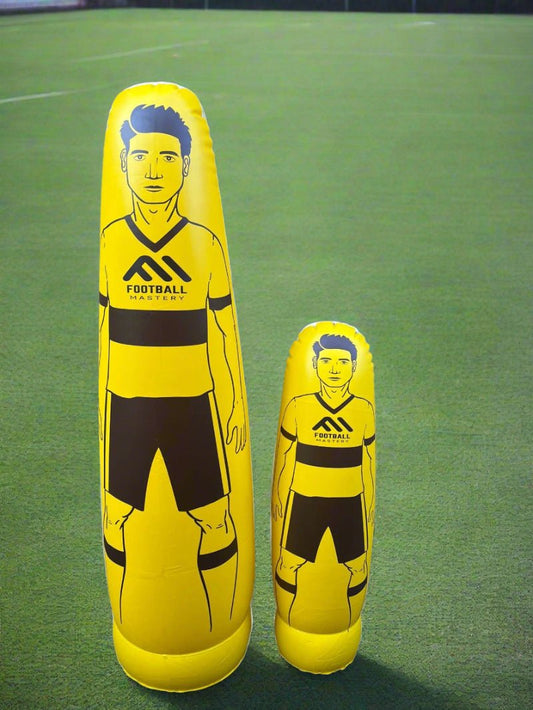
Pairing your rebound board with the right equipment setup can also reduce wear. For example, combining your board with structured drills or tools like the Air Mannequins (Pack of 3) allows for more controlled sessions, reducing unnecessary impact stress on the board itself.
You can also explore a wider range of training setups through the Football Mastery Bundles, which are designed to maximise efficiency while protecting your gear through smarter usage patterns.
Building Habits That Extend Equipment Lifespan
If there’s one takeaway from this rebound board care guide, it’s this:
Consistency beats intensity.
You don’t need complex routines—you need repeatable ones.
Start with:
- Cleaning after every session
- Keeping your board dry
- Avoiding unnecessary exposure to harsh conditions
- Using equipment correctly every time
These small habits compound into long-lasting sports equipment and significantly reduce equipment replacement costs over time.
Storage Strategies That Prevent Long-Term Damage
If cleaning is the first pillar of effective football rebound board maintenance, then storage is the second—and arguably just as important. Poor storage habits are one of the leading causes of hidden damage, especially when boards are left exposed between sessions.
Why Proper Storage Matters
Even when not in use, your equipment is still vulnerable to:
- Moisture build-up
- Temperature fluctuations
- UV degradation
- Structural stress from improper positioning
This is why proper equipment storage is essential if you want to truly extend the lifespan of rebound boards.
Indoor vs Outdoor Storage: What’s Best?
Whenever possible, always prioritise indoor storage.
Indoor Storage Benefits
- Protects against rain and humidity
- Reduces risk of rust and corrosion
- Prevents sun damage and material fading
- Maintains surface integrity for consistent rebounds
If you can, always store football rebound board indoors in a:
- Garage
- Shed
- Storage room
Outdoor Storage (If Necessary)
If indoor storage isn’t an option, you’ll need to be more intentional.
To ensure effective weatherproof rebound board storage:
- Use protective covers for sports equipment
- Elevate the board slightly off the ground
- Position it away from direct sunlight
- Avoid areas prone to water pooling
Leaving your rebound board exposed overnight—even occasionally—can accelerate long-term wear.
Storage Best Practices Checklist
- Store in dry place
- Avoid extreme weather exposure
- Cover rebound board when not in use
- Use temperature control storage where possible
- Prevent sun damage through shaded placement
Routine Inspection: Catch Problems Before They Grow
Cleaning and storage protect your equipment—but inspection ensures it stays safe and effective. A simple routine check can prevent minor issues from becoming costly repairs.
What to Look For
Make it a habit to inspect sports equipment regularly, focusing on:
Frame and Structure
- Check rebound board frame stability
- Look for bending, cracks, or stress points
- Perform a full structural integrity check
Fixings and Joints
- Tighten loose bolts and screws
- Fix loose rebound board joints early
- Ensure all connections remain secure
Surface Condition
- Check for scratches, warping, or soft spots
- Prevent surface wear on rebound board by addressing issues early
Performance Indicators
- Maintain rebound angle consistency
- Watch for irregular ball return patterns
Quick Inspection Routine (2–3 Minutes)
Before or after each session:
- Check for visible wear and tear
- Test rebound response with a few passes
- Tighten any loose components
- Ensure stable positioning
This simple habit supports performance degradation prevention and keeps your training consistent.
Repair and Replacement: Knowing When to Act
No piece of equipment lasts forever—but smart decisions can significantly delay replacement.
Early Repairs Save Money
One of the most overlooked cost-effective maintenance tips is this:
Repair small issues immediately rather than waiting for failure.
Common quick fixes include:
- Tightening loose components
- Replacing worn fixings
- Reinforcing joints
- Cleaning and resealing surfaces
These actions help improve durability of sports gear and avoid larger structural problems.
When to Replace Components
Sometimes, repair isn’t enough. Look out for:
- Deep cracks in the rebound surface
- Persistent instability in the frame
- Significant loss of rebound performance
In these cases, replacing worn components is essential to maintain safety and effectiveness.
If you’re looking to upgrade or rotate your setup, explore the full range of options available in the Rebound Boards Collection, ensuring you always train with reliable, high-performance equipment.
Maintaining Performance: Beyond Basic Care
True maintenance goes beyond cleaning and repairs—it’s about preserving how your rebound board performs over time.
Key Performance Factors to Maintain
Rebound Consistency Maintenance
Your board should return the ball predictably every time. Variations often signal:
- Surface wear
- Frame instability
- Improper setup
Ball Return Accuracy Optimisation
Accuracy depends on:
- Even surface tension
- Stable positioning
- Clean contact areas
Rebound Angle Calibration
Even slight changes in angle can affect training quality.
- Regularly check positioning
- Adjust setup to maintain correct angles
Advanced Performance Tips
To maintain elite-level output:
- Rotate usage areas on the board surface
- Avoid repetitive impact in the same spot
- Use controlled drills rather than excessive force
This helps maintain rebound performance over time and ensures consistent skill development.
Seasonal Maintenance: Adapting to the Environment
Different seasons bring different risks. Adjusting your sports equipment maintenance tips throughout the year is a powerful way to increase longevity.
Winter Storage for Sports Equipment
- Store indoors whenever possible
- Avoid freezing temperatures
- Dry thoroughly after each use
Summer Heat Protection for Sports Gear
- Limit prolonged sun exposure
- Use shaded training areas
- Prevent surface softening from heat
Rainy Season Equipment Care
- Prioritise moisture protection
- Clean and dry immediately after use
- Avoid waterlogged surfaces
Creating a Preventative Maintenance Routine
The most effective way to maximise equipment investment is by building a structured routine.
Example Preventative Maintenance Schedule
After Every Session
- Clean rebound board surface
- Dry equipment after use
- Remove dirt and debris
Weekly
- Inspect sports equipment regularly
- Tighten bolts and check joints
- Test rebound consistency
Monthly
- Deep clean using mild detergent
- Perform full structural integrity check
- Assess overall performance
Why This Matters
A consistent preventative maintenance schedule:
- Helps extend equipment lifespan
- Reduces equipment replacement costs
- Ensures long-lasting sports equipment
- Maintains high-quality training sessions
The Complete Maintenance Checklist (Keep It Simple, Keep It Consistent)
By now, you’ve seen how cleaning, storage, inspection, and usage all play a role in keeping your equipment in top condition. But the real advantage comes from combining everything into a single, repeatable system.
Here’s a practical routine maintenance checklist you can follow to ensure proper sports rebound board upkeep all year round.
Daily (or After Every Session)
- Clean rebound board surface
- Remove dirt and debris immediately
- Wipe down surfaces to maintain smooth contact
- Dry equipment after use to ensure moisture protection
- Check for obvious wear or instability
Weekly
- Inspect sports equipment regularly
- Tighten loose bolts and screws
- Check rebound board frame stability
- Test rebound angle consistency
- Ensure correct rebound board setup on a stable surface
Monthly
- Use mild detergent cleaning for a deeper clean
- Perform a full structural integrity check
- Fix loose rebound board joints
- Assess surface condition and prevent surface wear on rebound board
- Evaluate overall rebound performance
Seasonal (Quarterly Adjustments)
- Adjust for winter storage for sports equipment
- Apply summer heat protection sports gear strategies
- Focus on rainy season equipment care and drying routines
- Review storage setup (indoor vs outdoor storage)
Consistency with a simple checklist is far more effective than occasional deep maintenance.
Common Mistakes That Shorten the Lifespan of Rebound Boards
Even with the best intentions, many players unknowingly reduce the life of their equipment. Avoiding these mistakes is one of the easiest ways to increase rebound board lifespan.
1. Leaving Equipment Outdoors
Failing to store in dry place conditions leads to:
- Rust and corrosion
- Surface degradation
- Reduced rebound consistency
Always cover rebound board when not in use or bring it indoors.
2. Skipping Cleaning After Use
Neglecting to clean sports equipment regularly allows:
- Dirt buildup
- Moisture retention
- Long-term material damage
A quick wipe-down takes less than a minute but prevents major issues.
3. Using the Board on Poor Surfaces
Training on unstable ground can:
- Stress the frame
- Affect rebound accuracy
- Lead to structural damage
Always use rebound board on stable surface for both performance and longevity.
4. Ignoring Early Signs of Damage
Small issues quickly become expensive problems.
- Loose bolts turn into frame instability
- Minor cracks lead to surface failure
- Inconsistent rebounds signal deeper issues
Act early to repair damaged parts early and avoid full replacement.
5. Overuse Without Rotation
Repeated impact in the same area can cause uneven wear.
- Rotate training angles
- Vary drills and positioning
- Avoid excessive force on rebound board
This supports surface tension maintenance and helps prevent performance decline.
Advanced Tips Used by Coaches and Training Facilities
At a higher level—academies, schools, and clubs—maintenance becomes part of a broader system. These environments rely on structured processes to ensure long-lasting sports equipment and consistent performance.
Structured Equipment Management
Many facilities follow a sports equipment servicing guide approach:
- Assign maintenance responsibility
- Log inspections and repairs
- Rotate equipment usage
- Implement a preventative maintenance schedule
This approach is common in football training facility equipment care and club-level equipment management, where consistency is critical.
Performance-Focused Maintenance
Elite environments don’t just maintain equipment—they optimise it.
Key focus areas include:
- Rebound consistency maintenance
- Ball return accuracy optimisation
- Rebound angle calibration
- Performance degradation prevention
By regularly testing and adjusting equipment, they ensure every session delivers reliable results.
Cost Efficiency and Long-Term Value
Well-maintained equipment doesn’t just last longer—it saves money.
Benefits include:
- Reduced equipment replacement costs
- Fewer emergency repairs
- Better return on investment
- More efficient training sessions
This is especially important for schools and clubs managing multiple pieces of equipment under school sports equipment maintenance programmes.
Building a Smarter Training Setup
Maintenance and usage go hand in hand. The way you train directly affects how your equipment wears over time.
Combine Equipment for Better Load Distribution
Instead of overusing one tool, diversify your setup.
For example, pairing rebound work with structured drills and varied equipment reduces repeated stress on a single surface. A well-balanced setup—like those found at Football Mastery—helps distribute impact and extend equipment life naturally.
Focus on Controlled, High-Quality Repetitions
More isn’t always better.
- Prioritise technique over power
- Avoid excessive force on rebound board
- Use drills that promote control and precision
This not only improves performance but also supports plastic sports equipment protection and reduces unnecessary wear.
Final Thoughts: Longevity Comes Down to Habits
Extending the life of your rebound board isn’t about complex routines—it’s about doing the basics well, consistently.
If you:
- Clean after every session
- Store your equipment properly
- Inspect and fix issues early
- Use your board correctly
…you’ll dramatically extend equipment lifespan, maintain performance, and protect your investment.
The Bottom Line
A well-maintained rebound board delivers:
- Reliable, consistent training
- Improved skill development
- Long-term cost savings
- Greater durability and performance
Neglect, on the other hand, leads to inconsistency, frustration, and unnecessary expense.
Frequently Asked Questions (FAQ)
1. How often should I perform full maintenance on a football rebound board?
A full maintenance routine—beyond basic cleaning—should be carried out at least once a month. This includes a deep clean, structural integrity check, and performance assessment. However, light maintenance such as wiping down surfaces and removing debris should be done after every session.
2. Can I use pressure washers to clean a rebound board?
It’s not recommended. High-pressure water can damage the surface, weaken joints, and force moisture into areas that should remain dry. Stick to mild detergent cleaning and a soft cloth to protect the board’s materials.
3. What is the best surface to place a rebound board on?
The ideal surface is flat, stable, and non-abrasive. Grass, artificial turf, or smooth concrete are good options. Avoid gravel or uneven ground, as these can affect rebound consistency and damage the frame over time.
4. How do I maintain rebound consistency over time?
To ensure effective rebound consistency maintenance, you should:
- Keep the surface clean and smooth
- Check alignment and positioning regularly
- Rotate usage areas to avoid uneven wear
- Monitor for subtle changes in ball return behaviour
5. Are rebound boards suitable for all weather conditions?
While many boards are built for outdoor use, prolonged exposure to harsh weather can reduce durability. For optimal weather damage prevention, limit exposure to heavy rain, frost, and intense sunlight whenever possible.
6. What materials require the most attention during maintenance?
Different materials need different care:
- Metal frames: Focus on rust prevention and drying thoroughly
- Plastic or polyethylene surfaces: Avoid harsh chemicals and prolonged UV exposure
- Net-based rebounders: Regularly check tension and elasticity
This ensures proper material-specific maintenance and long-term durability.
7. How can I tell if my rebound board is losing performance?
Signs of performance decline include:
- Inconsistent ball return angles
- Reduced rebound speed
- Visible surface wear
- Increased vibration or instability
These indicators suggest it’s time for inspection, adjustment, or repair.
8. Is it worth repairing an older rebound board?
In many cases, yes. Minor issues like loose bolts or surface wear can be fixed easily and cost-effectively. However, if there are major structural problems or significant performance loss, replacement may be the better long-term investment.
9. Can improper maintenance affect training results?
Absolutely. Poorly maintained equipment leads to inconsistent rebounds, which can negatively impact technique, timing, and overall skill development. Proper football training equipment maintenance ensures reliable and effective practice sessions.
10. What is the most important habit for extending the life of a rebound board?
If you had to choose just one, it would be consistency. Regularly cleaning, storing properly, and inspecting your equipment—even briefly—has a far greater impact than occasional deep maintenance. Small, repeated actions are what truly extend the lifespan of rebound boards.